Sustainability
at Stewarts
As a nature-loving business, we recognise that the natural world is vital to us all and that we are part of it. Our aim is to help our customers enjoy their spaces while also supporting the living world that surrounds us.
Reducing our environmental impact is hugely important to us. For many years, we’ve worked behind the scenes to cut energy use, increase recycling, and offer customer recycling facilities, among other initiatives. While there is still more to do, we want to share both our progress and where we aim to improve.
We’re mindful that environmental claims must be made carefully. We’re not saying we’ve achieved everything, but we are committed, continually reviewing our practices, and always welcome your suggestions.
-
Our Carbon Footprint
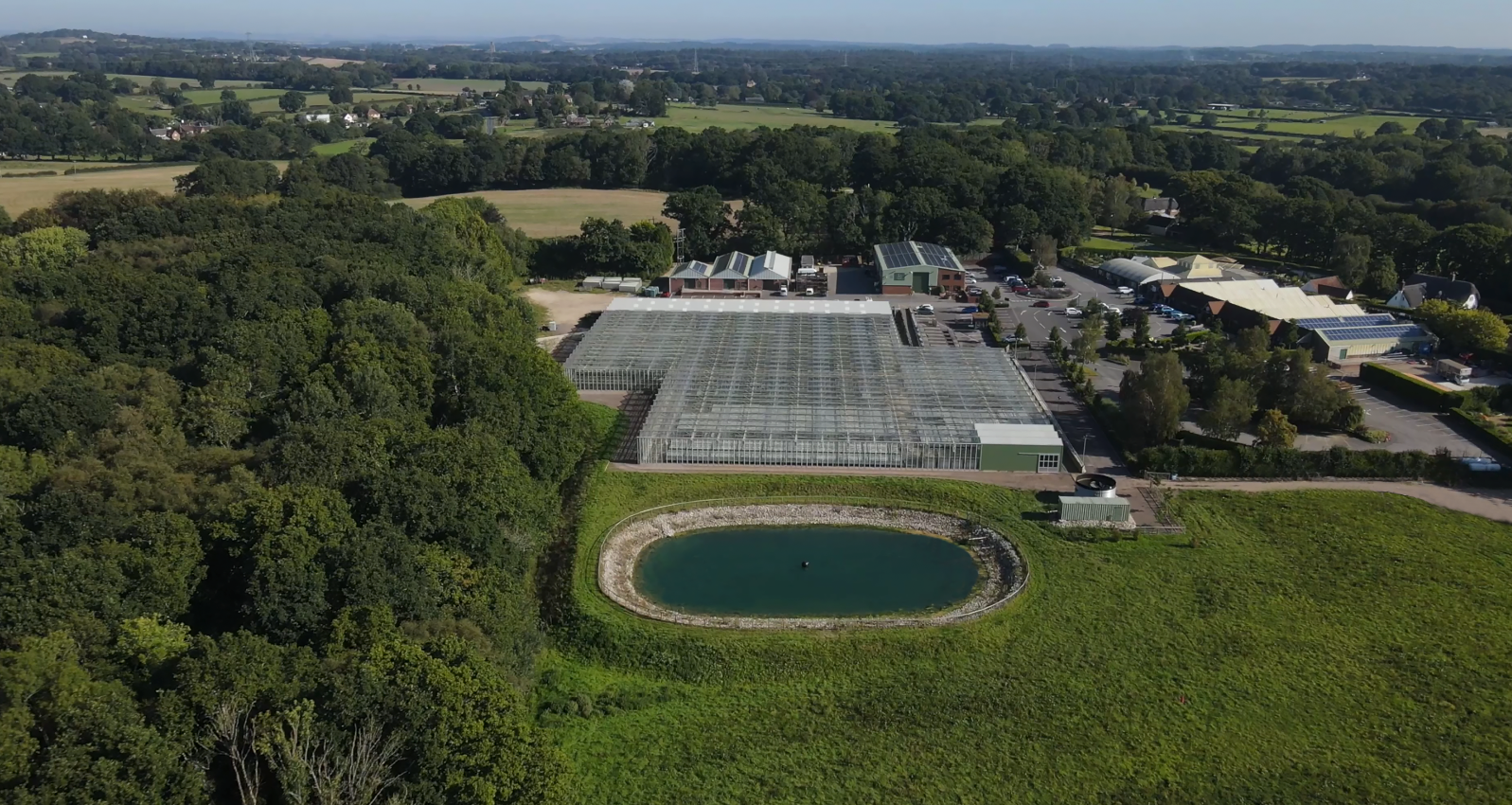
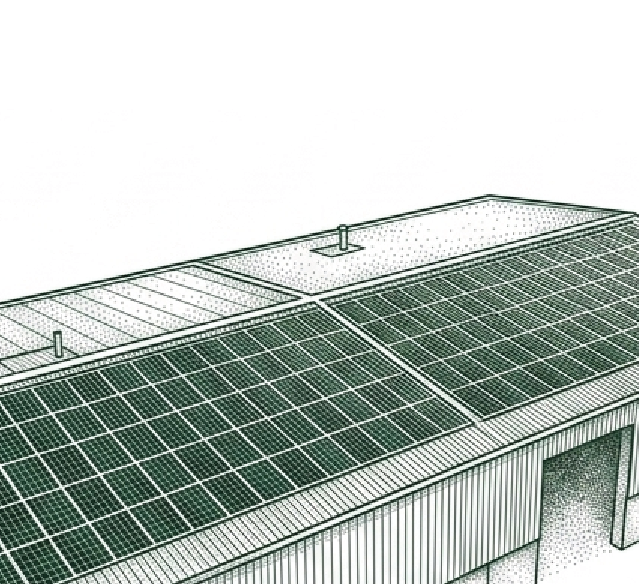
To reduce our carbon footprint, we’ve installed roof solar panels and LED lighting at both our Garden Centres in Dorset, along with a ground source heat pump, thermal screens, and an air source heat pump in our Plant Nursery. Part funded by Low Carbon Dorset through the European Regional Development Fund, this project saves over 440 tonnes of CO₂ each year.
-

Our Plant Nursery
With support from Low Carbon Dorset, we’ve installed 11 miles of ground source heat pump piping and thermal screens to cut energy use, saving over 440 tonnes of CO₂ each year. Our lighting is fully LED, we reduce plant miles by growing our own, and by recycling rainwater we now use 90% less water than before.
-

Efficient Travel
We operate a growing number of electric vehicles within our Landscaping fleet and reduce unnecessary mileage by carefully planning and consolidating journeys through efficient scheduling.
-

Plants and Trees
Possibly the most environmentally friendly thing you can buy, our plants are largely locally sourced to minimise transport distances. 22% are grown on our own nursery, further reducing our footprint.
-
Supporting Biodiversity
We promote bee-friendly planting and sell honey from bees kept on one of our sites, supporting local pollinators. At our own sites, we “Let Ourselves Grow” by leaving areas unmown from May to September to encourage wildflowers and boost food sources for insects.
We also support No Mow May, encouraging clients to leave small areas to rewild and retain some leaf fall for wildlife habitat. Native, wildlife-friendly planting is encouraged to provide food, shelter, and balance to the land.
-
Peat Reduction
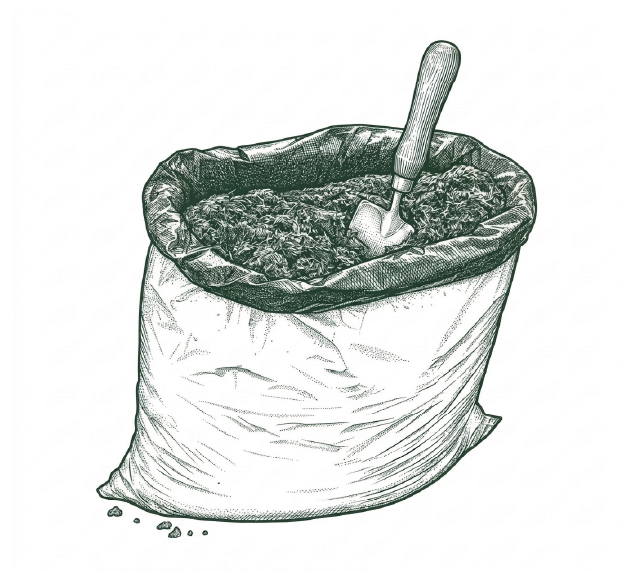
Since January 2024, we have sold only 100% peat-free compost across our Garden Centres. Our Interior Landscaping team is currently trialling peat-free options for planted containers to ensure the right growing conditions for plants to thrive. Once proven, we will transition fully to peat-free compost.
-
Operational Recycling
We actively reduce general waste by recycling as much as possible. This includes dry mixed recycling, food waste, plastic film, polystyrene, metal, wood, pallets, and green waste. All green waste from our commercial and private landscaping clients is returned to our facility, where it is transformed into compost and mulch for use in our fields.
In one example year we recycled:
Wood – 23.4 tonnes
Metal – 3 tonnes
Cardboard – 38 tonnes
Plastic film – 9 tonnes -
Customer Recycling
Plant pots, compost bags, batteries, unsold plants, electrical items (we sell), interior landscaping decorative ex-rental containers, Christmas trees and bottle tops can all be returned to us for recycling.
In one example year we recycled:
Batteries – 443 kg
Milk bottle tops – 3 tonnes
Electrical waste – 540 kg
Plant pots – 4.6 tonnes -
Pest, Disease, and Weed Control
Interior Landscaping
We disrupt pest and disease infestation cycles by encouraging healthy growth. This includes strategic pruning, removing diseased wood, clearing fallen leaves and debris, deep cleaning, and manual pest removal. In agreement with our clients, we deploy organic natural predators, such as nematodes, as a targeted biological defense when available.
Exterior Landscaping
We have a sustainable, multi-layered approach to land management, prioritizing eco-friendly practices over synthetic chemical treatments wherever practical. For more detailed information on this please contact our team.